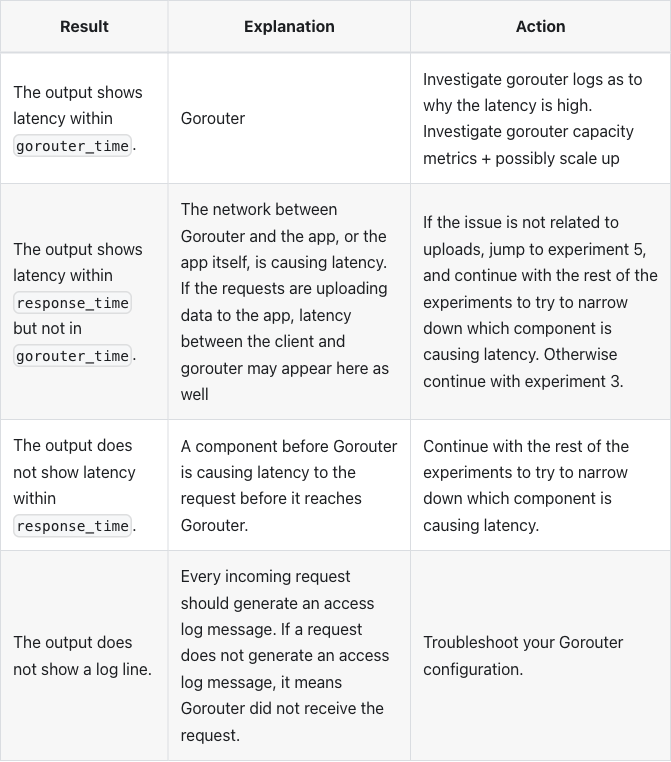
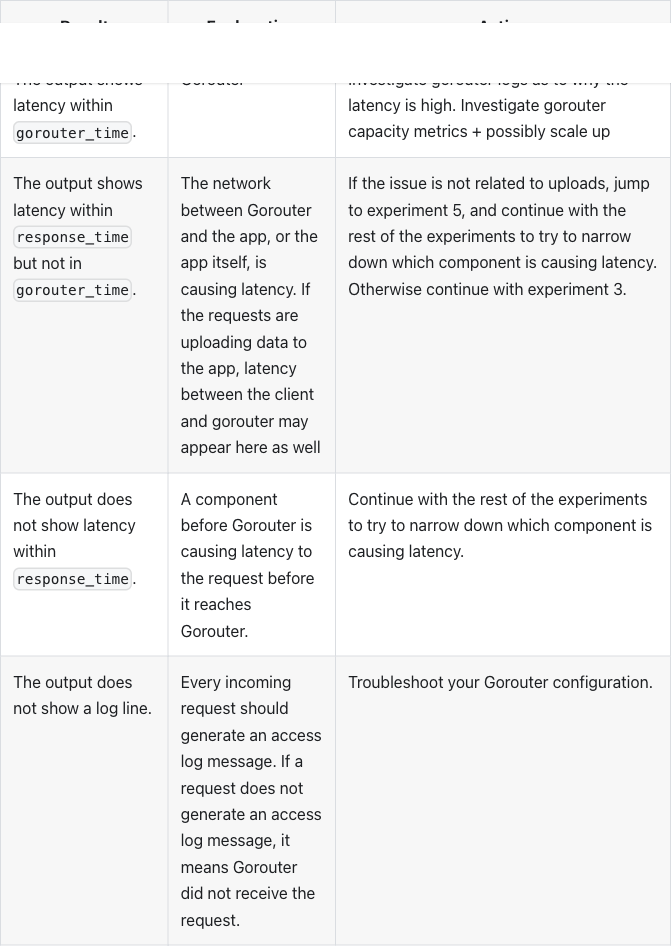
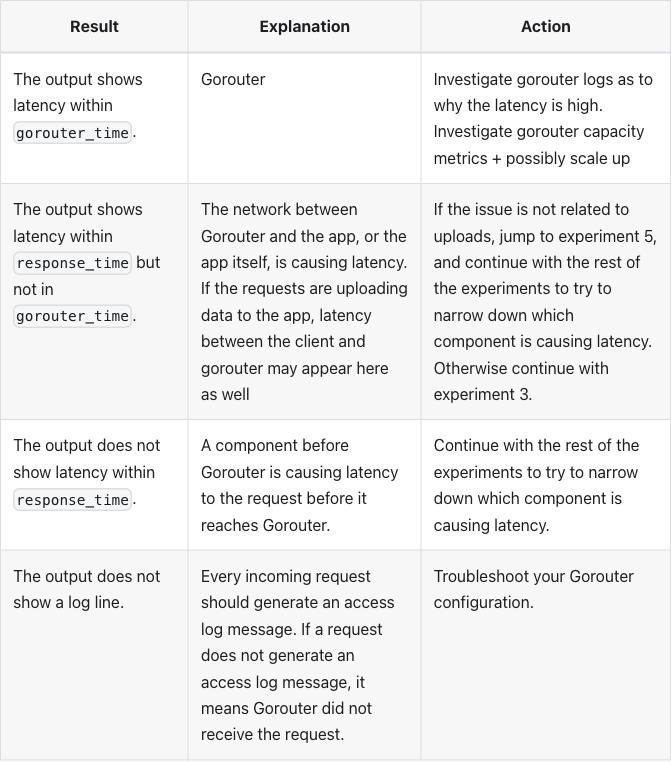
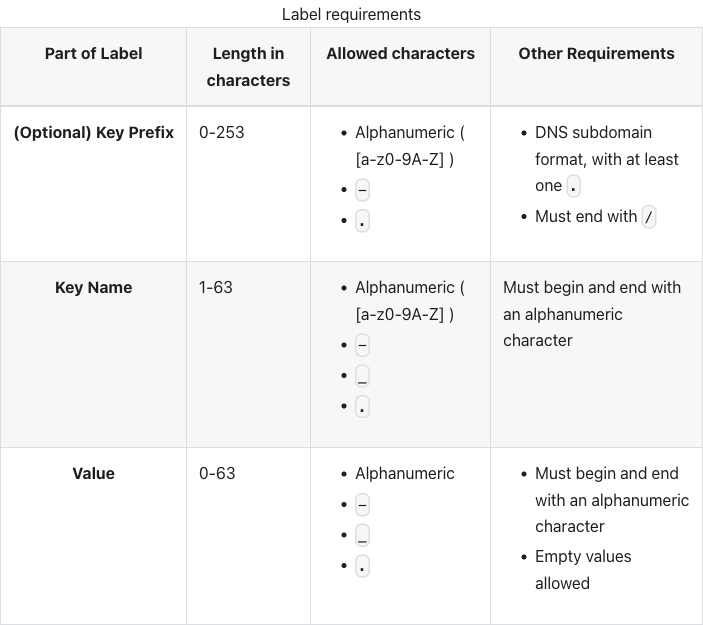
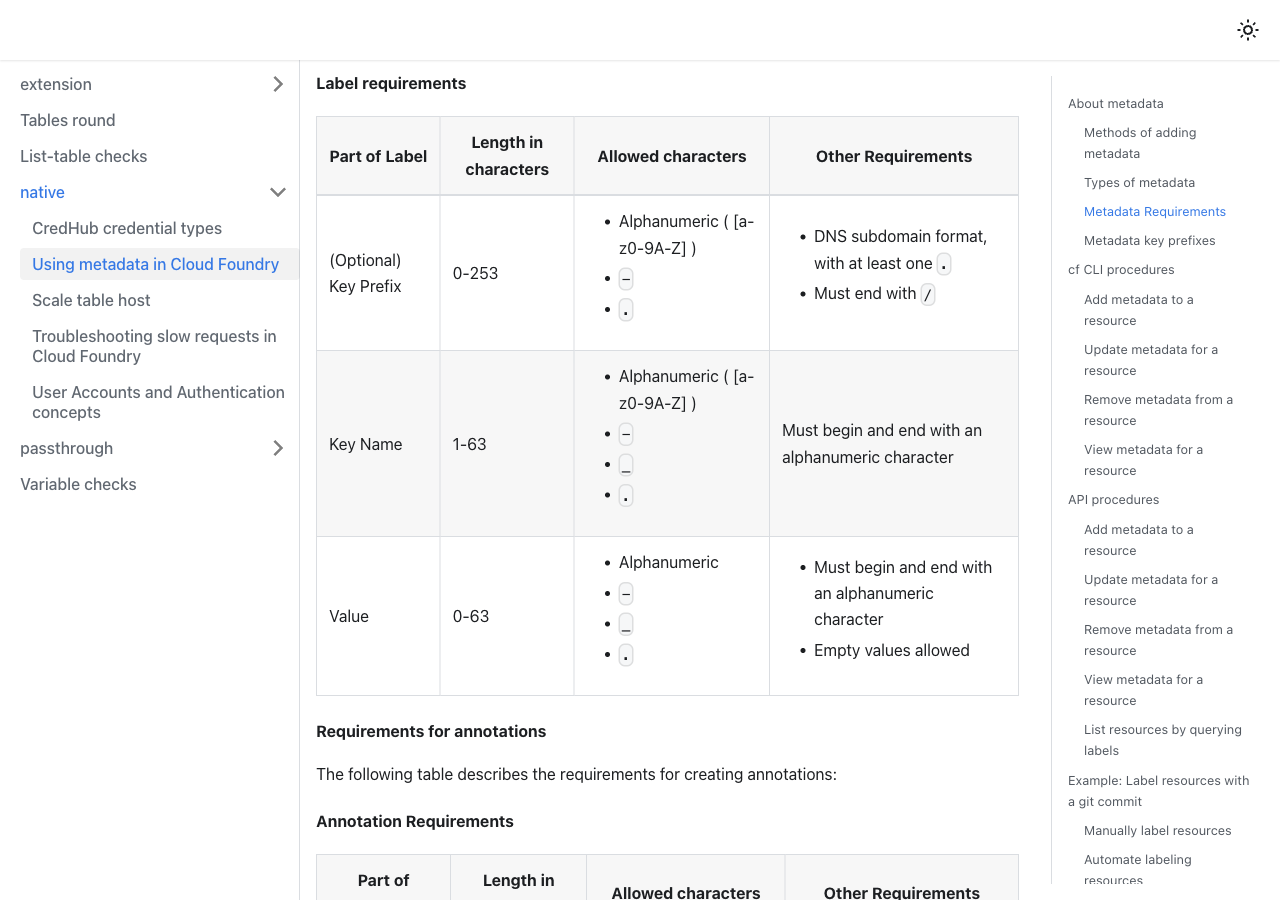
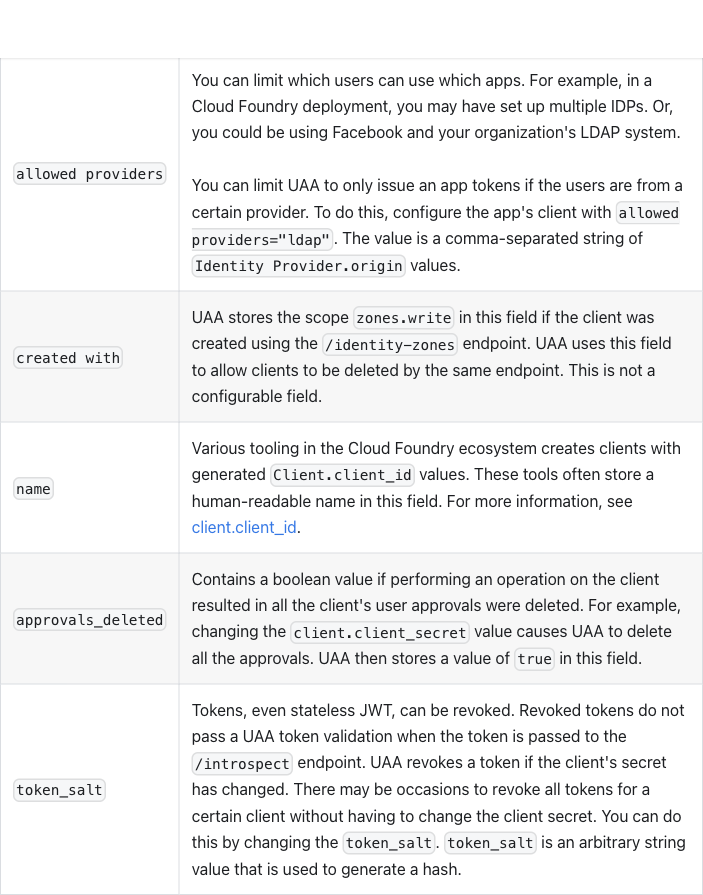
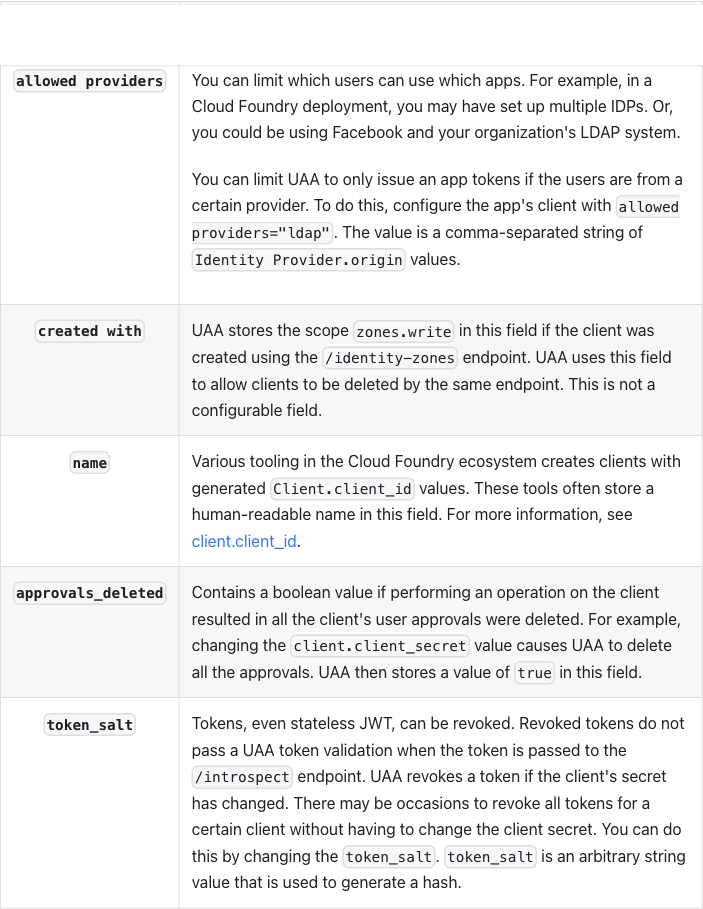
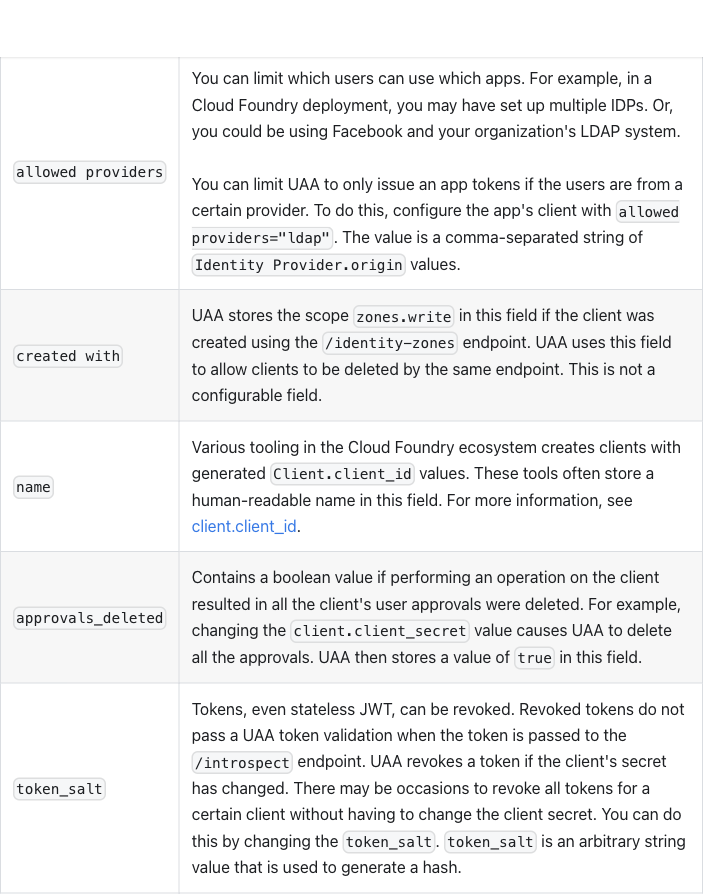
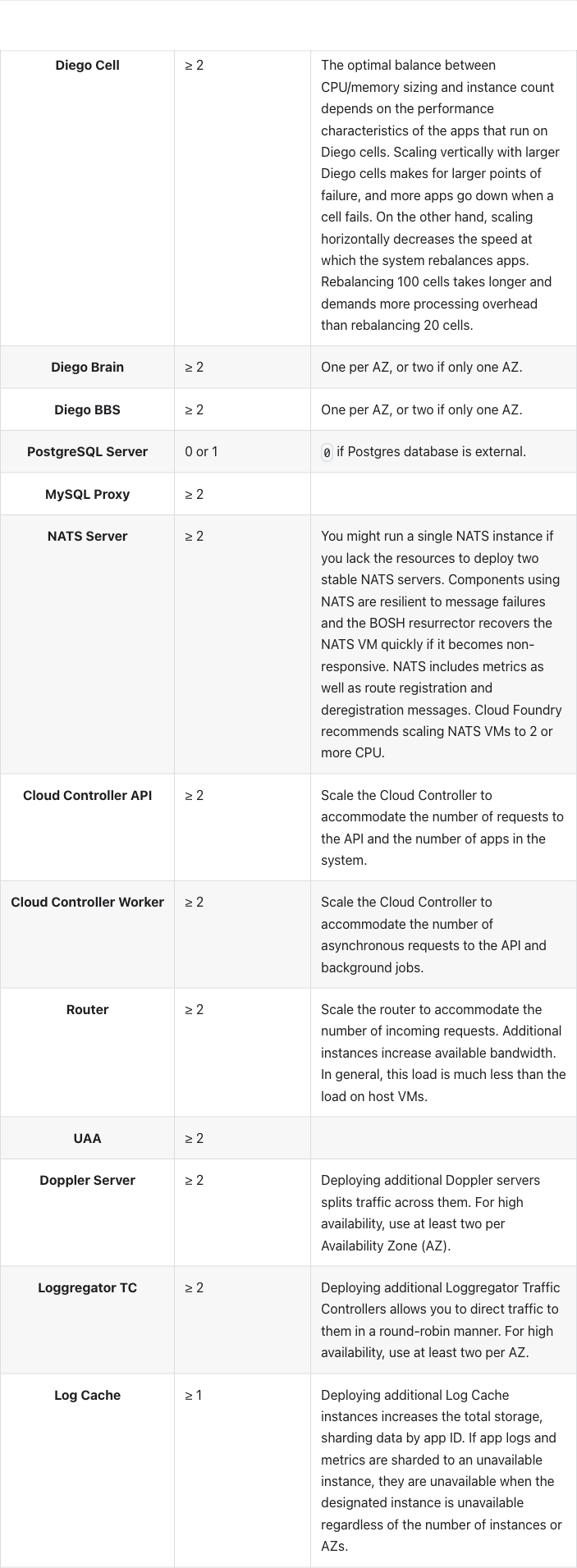
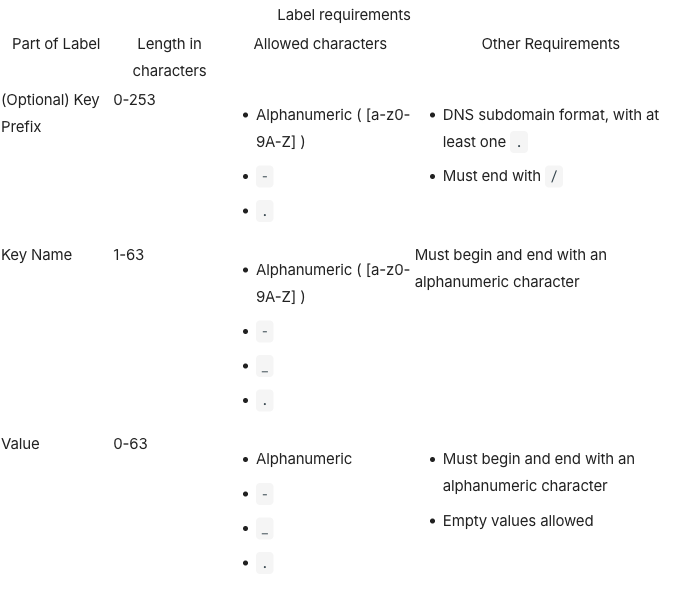
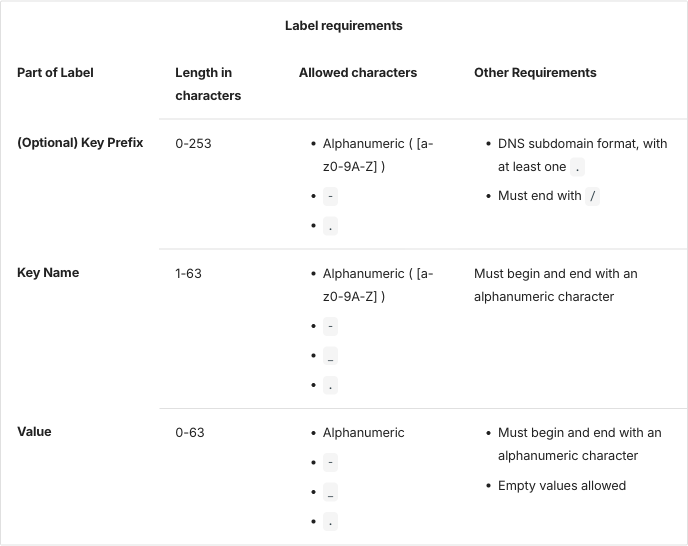
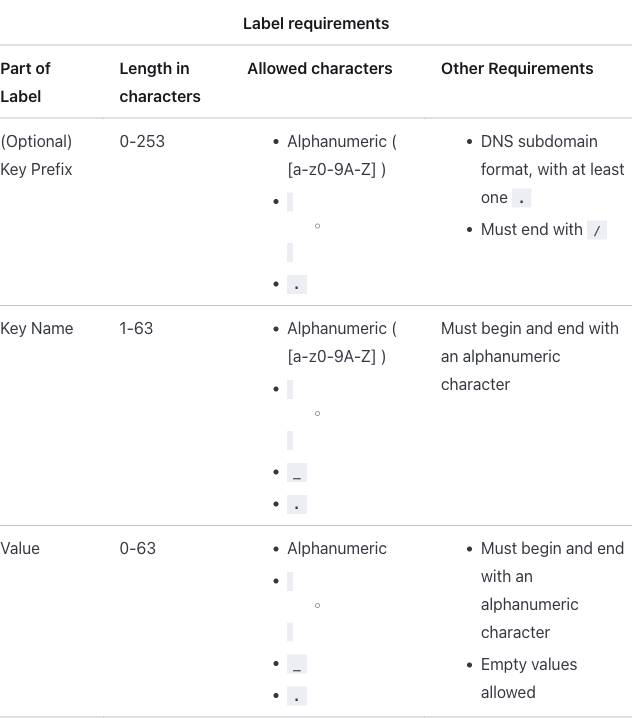
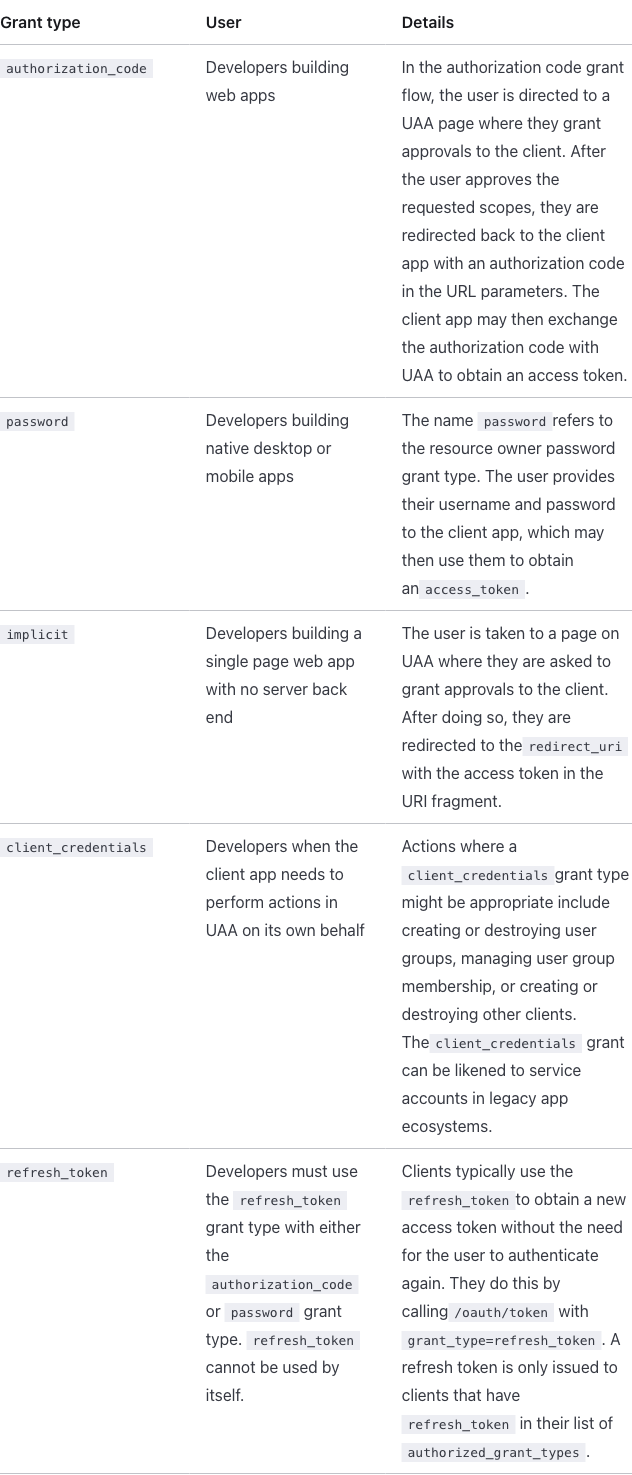
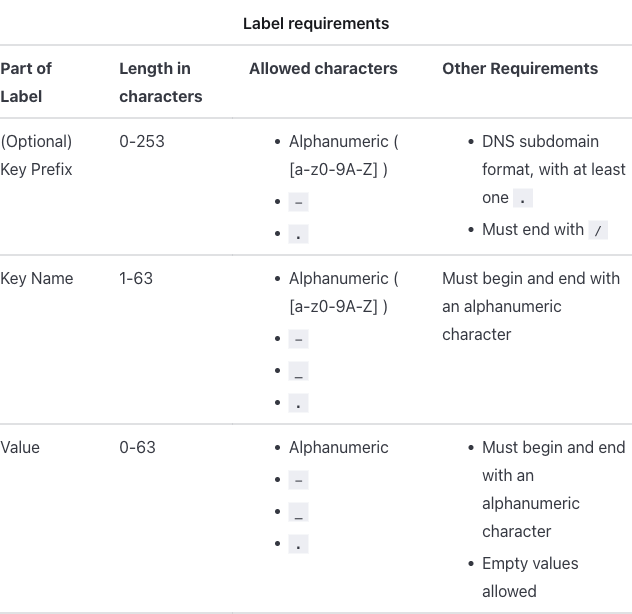
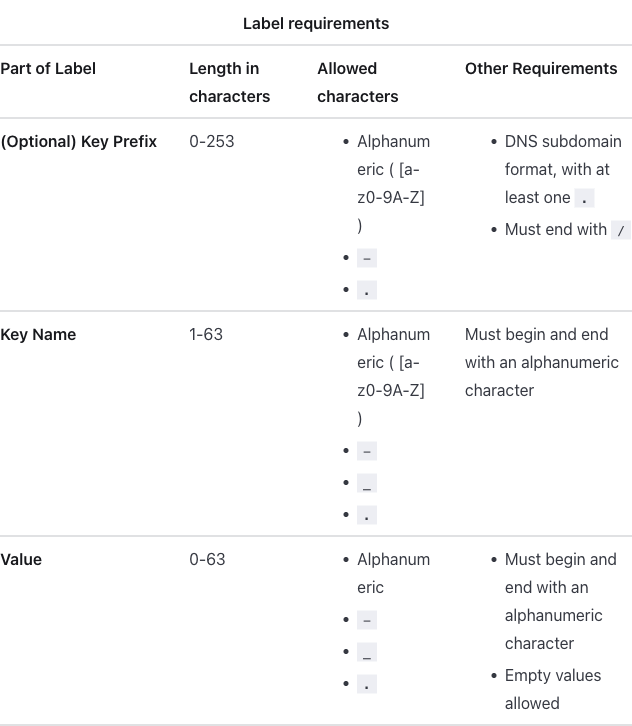
What each tool did with the five test pages. A summary across tools comes first, then one section per tool, newest last. Each starts with a short summary, then the grid, then what the measurements and screenshots show. How the pages were chosen and what the hints mean: README. Per-table intent and spot checks: intent/.
How to read the grid:
Every tool renders every test table correctly once the source is cleaned up. They differ in how much cleanup the HTML needs, which hints their own table syntax carries, and how much the rest of the page has to change.
| Docusaurus | Zensical | Starlight | Antora | |
|---|---|---|---|---|
| HTML builds as written | no: MDX fails on all five pages | yes, all five | four of five; Markdoc changes text inside HTML silently | yes, inside passthrough blocks, but the page around it is rewritten as AsciiDoc |
| Cleanup beyond the intent files | close void elements, style as an object, <tbody> and <colgroup>, closing tags off the line start |
one indent | entities and one-line cells where Markdoc would drop a dash or a space | the AsciiDoc rewrite, with four kinds of silent failure |
Spot checks after cleanup (seven pages; 36 before uaa-performance, 42 before _oss_roles_table) |
49/51 in every mode (the two misses are page descriptions, not tables) | 51/51 in every mode | 51/51 in every mode | 51/51 in every mode |
| Own table syntax carries | a header row and each column’s horizontal alignment (pipe tables) | widths on header cells, horizontal alignment | widths, horizontal alignment, lists and paragraphs in cells, spanning cells | widths, row headers, horizontal and vertical alignment, lists and paragraphs in cells, spanning cells |
| Extension for the rest | remark plugin | Python-Markdown block | attributes on Markdoc’s table tag (85 lines) | none: roles on the table plus CSS |
A second style (table-media) |
a class on the list-table directive, {.table-media}; a pipe table takes one only through the table comment (2026-10-12) |
the list-table block’s style option; a pipe table takes one only through the table comment (2026-10-12) |
Markdoc’s class shorthand, {% table .table-media %}, which the native table tag takes too |
a role, [.table-media]: plain AsciiDoc |
| Wide tables (wider than the column) | scroll in their own box: the theme shows every table as a block that scrolls | scroll in their own box: the theme’s wrapper around Markdown tables; the site’s table.table rule copies the theme’s scrolling |
scroll in their own box: the theme shows every table as a block that scrolls | the page widened; a short script in the site’s UI files now puts each table in a box that scrolls |
| Variables | one import per page; HTML values escaped | ERB form kept as written | {% $vars.name %}; HTML values escaped |
{name} attributes |
* in Accept: */*.
Zensical shows three * as text where a list follows a line with no blank
line between them.class="table", and each site’s CSS gives that class its standard
look (Template conventions in the README).
The Antora and Sphinx themes hyphenate words in cells; the template turns
that off.table-media, the
example, was added to all four tools after the round. Passthrough names it
as the HTML table’s class everywhere. In Starlight and Antora the tool’s
own table syntax can name it too; in Docusaurus and Zensical a Markdown
table cannot, so it takes the extension. The native pages keep the
standard style in every tool, as decided. Each site’s CONVENTIONS.md
has an “Adding a style” section.make check-wide; 84 tables in Docusaurus, 112 in each of the others,
all pass; with the roles table, 90 and 120, all pass). Antora’s default UI gives a table no box, so the page
widened until the site added a script that wraps each table. A
table-media grid does not scroll: its rules make it a full-width
table, so it shrinks its images to fit, and the check only asserts that
it fits the column.A real wide table scrolls, but at its narrowest. The roles table
(_oss_roles_table, 12 columns, added 2026-10-12) scrolls in a box of
its own in every tool and every converted mode, as decided. Docusaurus,
Starlight and Antora lay it out at its min-content width, every column
as narrow as its longest word, so the activity column wraps on every
row and the table is 4,850 to 5,500 pixels tall; Zensical gives all
twelve columns the same 100 pixels. The published page has no box: the
table spills 154 pixels past its 720-pixel column. No scrollbar shows
until the reader scrolls (overlay scrollbars). In Docusaurus the box
cuts a column through its text; in Zensical and Starlight it ends just
after Org Billing Manager, and in Antora after Space Auditor, so
nothing in view shows that more columns follow. The comparison pages
show it as seen and as the full table. Since 2026-10-12 a wide table’s first
column keeps at least 24 characters’ width and a shadow marks the side
with more columns (wide tables).
Probes (one question each; Eleventy built two test pages, Sphinx one table, Middleman all five test pages):
| Probe | Question | Answer |
|---|---|---|
| Eleventy 3.1.6 | Do <%= vars.* %> tags render unchanged as EJS? |
Yes for the tables, byte for byte. EJS’s <%= escapes HTML, so HTML-valued variables, helpers and includes need <%-. |
| Sphinx 9.1.0 + MyST 5.1.0 | Can list-table directive options carry the hints? |
Header row, row headers and widths, yes; roles and the capped no-wrap through classes and CSS. No second header row. |
| Middleman 4.6.3 | Smallest change that removes Bookbinder? | A short config and a layout; all five pages build unchanged on Ruby 4.0.7 (plus the ostruct gem) and every table matches the published page. |
Site: sites/docusaurus/ — conventions: CONVENTIONS.md.
{…} placeholders in prose, an unclosed <br>), so table cleanup alone is
not enough to migrate a page to MDX.make check in the site reruns them with
checks/spot-checks.sh.<col />, <br />),
fix the malformed markup the intent files list, write style as a JSX
object, wrap rows in <tbody> and columns in <colgroup>, and keep a
cell’s closing tag off the start of a line. The last three only show up as
browser errors or broken builds, not in the HTML source.dangerouslySetInnerHTML.<a id="…"></a> break the page’s table of contents (React hydration error
on every page that has them) and the build’s anchor check; the page
description that search engines and link previews show contains raw
variable expressions ({vars.appruntimeabbr}) when the first paragraph has
a variable.| Page | Mode | Builds | Content and outline | Hints honored | Source readability |
|---|---|---|---|---|---|
_oss_scale_table |
passthrough | after cleanup: <col />, <colgroup> |
preserved | widths 25/25/50 exactly | HTML as before |
| extension | yes | preserved | key column does not wrap; widths 30/24/46 because “Cloud Controller Worker” does not fit in 25% without wrapping | Markdown list-table; long cells on one line | |
| native | yes | preserved | none (widths 18/15/67 by content) | pipe table, very long rows | |
credential-types |
passthrough | after cleanup: straight quotes, style object, <tbody> |
preserved | width 20% | HTML |
| extension | yes | preserved | width 20%, row headers, no wrap | list-table | |
| native | yes | preserved | none (18/82) | pipe table, readable | |
metadata |
passthrough | after cleanup: two unclosed <td>, headers moved into <thead>, style objects, plus braces in a <pre> block and one <br> outside the tables |
preserved; stray backslashes removed (decided fix) | spanning title row centered | HTML |
| extension | yes | preserved; title is a bold line above the table | row headers, no wrap on key column (26%) | list-table with nested lists: readable | |
| native | yes, lists as inline HTML in cells | preserved; title is a bold line above the table, not part of it | none; cells vertically centered | pipe table with inline <ul>: hard to edit |
|
troubleshooting_slow_requests |
passthrough | after cleanup: <tbody>, one multi-line cell, plus <br /> outside the tables |
preserved after nesting the Experiment 2 table in its list step | variant A, as written | HTML |
| extension | yes | preserved | variant C (decided): no widths, columns sized by content | list-table | |
| native | yes | preserved after adding a blank line before each table | none (same as variant C) | pipe table | |
uaa-concepts |
passthrough | after cleanup: </td> → </tr>, plus {…} placeholders escaped in prose |
preserved | widths 30% and 25% | HTML |
| extension | yes | preserved; <br/><br/> became two paragraphs (decided) |
widths, row headers, no wrap | list-table; paragraphs as in Markdown | |
| native | yes | preserved, <br /><br /> kept |
none (27/30/43, 25/74) | pipe table | |
_oss_roles_table (added 2026-10-12) |
passthrough | yes; the source compiles unchanged; only the intent cleanup (two empty markers) and class="table" |
preserved; id kept | header row; scrolls in its own box (the theme’s block table), laid out at its narrowest: 1053 pixels in 703, every activity wrapping to its longest word | HTML, one cell per line |
| extension | yes; the list-table plugin now passes {#id} to the table |
preserved; id kept | header row, row headers, roles, top alignment; the same narrowest layout (1060 pixels) | list-table, 12 lines per row | |
| native | yes | preserved except the id: a pipe table cannot carry one (since 2026-10-12 the table comment keeps it: classes and ids) | header row; the same narrowest layout | pipe table, rows up to 377 characters; markers as inline <sup><strong> |
troubleshooting_slow_requestsColumn widths in percent of the table, per table (Experiment 1–6). Table 2 sits inside a numbered list, so it is narrower (671 pixels).
| Variant | T1 | T2 | T3 | T4 | T5 | T6 |
|---|---|---|---|---|---|---|
| A — as written (passthrough) | 33/25/42 | 25/36/39 | 25/31/44 | 25/23/52 | 25/25/50 | 25/25/50 |
| B — uniform 25/25/50 (extension) | 25/25/50 | 25/25/50 | 25/25/50 | 25/25/50 | 25/25/50 | 25/25/50 |
| C — roles only (extension; native is the same) | 33/25/42 | 28/35/37 | 19/33/48 | 17/24/59 | 20/23/57 | 17/25/58 |
Decided: variant C. The extension page now uses it; variant B was measured on an earlier version of that page.
Table 2 in each variant: A, B, C.
Both were decided after this comparison: the metadata title stays a
spanning row (the extension draws it with a title option), and the
uaa-concepts break is a paragraph break, so the extension keeps two
paragraphs. Changed after the Starlight round: the title is a bold line
above the table in every converted mode of every tool, because Markdown
tables have one header row (Starlight finding 4). Passthrough keeps the
source’s spanning row.
metadata title row: spanning row,
caption,
bold line above the table
(native; it reads like the level-4 heading that follows it).uaa-concepts paragraph break in a cell: <br/><br/>,
two paragraphs,
<br /><br /> in a pipe table.wrap: avoid on a key column wins over its width
when the longest key does not fit
(screenshot).
Decided: “don’t wrap” wins, so a column’s width varies with its
content, but only up to a cap (--table-nowrap-max, 16em here); past it
the text wraps between words. No key column on the test pages reaches the
cap at a 1280-pixel window.stub-columns, the key column
becomes <th scope="row">, which the default theme draws bold and
centered. Decided: row headers are styled on their own. The site’s CSS
gives them their own variables (weight, alignment), so a theme can change
them without touching column headers or body cells (checked: setting them
to left and normal weight changes only the row headers). Native pipe
tables have no row headers to style.<a href> inside HTML.../cf-cli/v8.html,
../loggregator/nozzle-tutorial.html, identity-providers.html). The site
reports them as warnings; cross-repository links are their own concept.### <a id="x"></a> Title work in the
browser, but (a) the anchor check reports eleven of them as broken, (b) the
table of contents copies the <a> into its own link, which makes React
report a hydration error on every page with such headings, and (c) the
generated heading ids include variable names
(-use-app-logs-to-locate-delays-in-varsapp_runtime_abbr). Docusaurus’s own
form ### Title {#x} avoids all three (checked on one page).Page descriptions come from the first paragraph’s source text, so
metadata and troubleshooting_slow_requests publish
{vars.appruntimeabbr} in their description. Setting description: in the
front matter avoids it.
Text inside <pre class="terminal"> is parsed as Markdown. A
word-by-word comparison with the published pages
(checks/text-diff.py) found one content change in
every mode: Accept: */* in the terminal output on
troubleshooting_slow_requests shows as Accept: /, because MDX reads
*/* as emphasis. The block is also split into paragraphs inside the
<pre>. Five such blocks are on the test pages; they belong to the code
blocks concept. The spot checks did not catch it because they cover the
tables. Decided: left to the code blocks concept, which has to handle
<pre class="terminal"> on every page anyway; the tables round keeps the
finding.
uaa-concepts table at a 1280-pixel window: cell padding 12 pixels on
every side (published: 4.8 by 8), line height 26.4 pixels (published:
23.2), code 14.4 pixels (published: 13). The same table is about 20%
taller. A paragraph or list at the end of a cell also kept its bottom
margin, so cells had about 30 pixels below the text and 12 above. The
site now removes that last margin (13 above and 13 below), and adds
--table-font-size and --table-line-height for the template; their
defaults keep the theme’s look. Padding, borders, and header and stripe
colors are the theme’s own variables (--ifm-table-cell-padding and
others). There is no theme variable for the font size of tables._oss_roles_table,
added 2026-10-12). The theme shows every table as a block that scrolls
(display: block; overflow-x: auto), so a table wider than the column
is drawn at its min-content width: every column as narrow as its longest
word. The roles table is 1053 by 5518 pixels in a 703-pixel box (2087 by
2237 at its natural width); the activity column (106 pixels) wraps on
all 42 rows, and the prose role gives it no more room. The sticky navbar
and the off-screen “Skip to main content” link are hidden for the
screenshots. Relative links in the notes are rewritten root-absolute and
reported as broken, as in finding 5; a pipe table cannot carry the
table’s id, and the list-table plugin was changed to pass it.Apart from finding 8 and the decided backslash fix, the main text of each page matches the published page in all three modes. The other differences:
showLastUpdateTime, editUrl); this site does not
enable them.user’s, “sub”); Docusaurus keeps them straight (ten words on two
pages).make check-raw in the site prints the first MDX error per page. MDX stops at
the first error, so each page was fixed one error at a time; the full list is
in the grid above.
| Page | First error | In a table? |
|---|---|---|
_oss_scale_table |
<col> is not closed |
yes |
credential-types |
“ before an attribute value |
yes |
metadata |
{ in JSON inside <pre> parsed as an expression |
no |
troubleshooting_slow_requests |
<br> is not closed |
no |
uaa-concepts |
{OIDC provider alias} in a list parsed as an expression |
no |
_oss_roles_table (added 2026-10-12) |
none: compiles unchanged | — |
Site: sites/zensical/ — conventions: CONVENTIONS.md. Measured at the same 1280-pixel window; the content column is 688 pixels wide.
make check in the site reruns them.<%= vars.name %> renders as written. An undefined
variable renders empty and an HTML-valued variable renders as markup, as on
the published pages. There is no generated page description, so the
description problem Docusaurus has (its finding 7) does not occur.class. Eight of the
thirteen tables kept class="table" in passthrough and rendered without
the theme’s table style (finding 1). Decided: the class stays as a hook the
template can format; the site’s CSS now gives table.table the theme’s
table look. Dropping the class is how to see the theme’s own default.| Page | Mode | Builds | Content and outline | Hints honored | Source readability |
|---|---|---|---|---|---|
_oss_scale_table |
passthrough | yes; <col /> closed (intent cleanup, not forced) |
preserved | widths 25/25/50 exactly | HTML as before |
| extension | yes | preserved; the empty Notes cell is written - <!-- --> (finding 5) |
widths, row headers, key column on one line (26/25/49) | list-table, four-space indents; long cells on one line | |
| native | yes | preserved | widths 25/25/50 through header-cell attributes; no row headers | pipe table, very long rows | |
credential-types |
passthrough | yes; class quotes made straight (intent cleanup) | preserved | width 20% | HTML |
| extension | yes | preserved | width 20%, row headers, no wrap | list-table | |
| native | yes | preserved | width 20% through a header-cell attribute | pipe table, readable | |
metadata |
passthrough | yes; two unclosed <td>, headers moved into <thead> (intent cleanup) |
preserved; stray backslashes removed (decided fix) | spanning title row; theme look through table.table in the site CSS (finding 1) |
HTML |
| extension | yes | preserved; title is a bold line above the table | row headers, no wrap on key column (23%) | list-table with nested lists: readable | |
| native | yes, lists as inline HTML in cells | preserved; title is a bold line above the table | none; top alignment from the theme | pipe table with inline <ul>: hard to edit |
|
troubleshooting_slow_requests |
passthrough | yes | preserved after indenting the Experiment 2 table under its list step | variant A, as written; theme look through table.table in the site CSS (finding 1) |
HTML |
| extension | yes | preserved | variant C: no widths, columns sized by content | list-table | |
| native | yes | preserved after indenting the Experiment 2 table under its list step | variant C (same as extension) | pipe table | |
uaa-concepts |
passthrough | yes; </td> → </tr> (intent cleanup) |
preserved | widths 30% and 25% | HTML |
| extension | yes | preserved; <br/><br/> became two paragraphs (decided) |
widths, row headers, no wrap | list-table; paragraphs as in Markdown | |
| native | yes | preserved, <br /><br /> kept |
widths through header-cell attributes | pipe table | |
_oss_roles_table (added 2026-10-12) |
passthrough | yes; class="table" and the two empty markers removed (intent cleanup) |
preserved; id kept | header row; scrolls in its own box (table.table itself); 12 equal columns of 100 pixels |
HTML |
| extension | yes | preserved; markers ^N^, not bold (finding 9); the id lands on the wrapper div |
header row, row headers, roles as classes; scrolls in the theme’s wrapper; equal columns | list-table, one item per cell (a 565-line block) | |
| native | yes | preserved; markers ^N^; no id (a pipe table cannot carry one (since 2026-10-12 the table comment keeps it: classes and ids)) |
header row; scrolls in the theme’s wrapper; equal columns | pipe table, about 140-character rows of mostly empty cells | |
| native-plain | yes (the same file as native: the source sets no widths) | as native | as native | as native |
Percent of the table, first body row. Table 2 of troubleshooting_slow_requests
sits inside a numbered list, so it is narrower (660 pixels).
| Table | Passthrough | Extension | Native |
|---|---|---|---|
_oss_scale_table |
25/25/50 | 26/25/49 | 25/25/50 |
credential-types |
20/80 | 20/80 | 20/80 |
metadata T1 |
18/19/27/36 | 23/18/25/33 | 18/19/27/36 |
metadata T2 |
19/19/27/35 | 23/18/26/32 | 19/19/27/35 |
metadata T3 |
16/27/57 | 16/26/57 | 16/27/57 |
troubleshooting T1 |
28/25/46 | 28/25/46 | 28/25/46 |
troubleshooting T2 |
25/36/39 | 23/37/40 | 23/37/40 |
troubleshooting T3 |
25/30/45 | 21/31/47 | 21/31/47 |
troubleshooting T4 |
25/22/53 | 19/23/58 | 19/23/58 |
troubleshooting T5 |
25/25/50 | 22/22/56 | 22/22/56 |
troubleshooting T6 |
25/25/50 | 19/24/57 | 19/24/57 |
uaa-concepts T1 |
30/26/43 | 30/26/43 | 30/26/43 |
uaa-concepts T2 |
25/75 | 25/75 | 25/75 |
_oss_roles_table |
8 × 12 | 8 × 12 | 8 × 12 |
Corrected 2026-10-12: four passthrough figures (metadata T1 and T2,
troubleshooting T1 and T4) were remeasured on a fresh build, at a
1280-pixel window, first body row, and replaced; the other figures
measured the same.
The scale table’s key column stays on one line at 26%: “Cloud Controller Worker” fits the 16em cap here, so the no-wrap wins over the 25% width by one point.
Native mode is built twice: native carries widths through attributes on
header cells, native-plain is pipe tables with no attributes, as most
Markdown tools would have them. Only the pages whose source sets widths
differ (percent of the table, first body row):
| Page | native | native-plain |
|---|---|---|
_oss_scale_table |
25/25/50 | 17/15/68 |
credential-types |
20/80 | 15/84 |
uaa-concepts table 1 |
30/26/43 | 16/31/53 |
uaa-concepts table 2 |
25/75 | 16/84 |
native-plain passes all 36 spot checks, as native does.
class. Its rules are
written for table:not([class]). Passthrough keeps class="table" on the
two metadata tables and the six troubleshooting_slow_requests tables, so
they render with no border, and their header cells are in normal weight,
not bold as the template convention says
(passthrough,
extension). The
class only restates what the template should do; credential-types already
drops it (its quotes were broken). The extension puts its hook on a
wrapper div so the table itself stays classless. Decided: keep the
class and style it. hints.css
repeats the theme’s table rules for table.table, so those tables now
have borders and bold headers; a template can format them differently
through the same class. Later decision: every HTML table names its
style with a class, so the four tables without one now get
class="table" too, and credential-types keeps it with straight quotes
(see Template conventions)..md-typeset table:not([class]) th:not([align]). A rule such as
.hinted-table th[scope='row'] loses to it, so the title row was not
centered and the row-header variables had no effect. Written to outrank it,
both work (checked: setting the row-header variables to right and normal
weight changes only the row headers).<%= … %> on a page goes through the template engine, including ERB
tags shown as examples in prose or code. A tag that is not a valid
expression (the host page’s first draft mentioned partial 'oss_scale_table'
inside one) produced a page that said “Macro Syntax Error”, and the build
still reported success. on_error_fail = true makes it fail. Pages that
document ERB will need escaping.<p>…<table>…</table></p>); browsers close the paragraph at the table,
so the table stays in the step.- for an empty cell turns the cell above it into a
heading (Markdown reads - under a line as a heading underline), so the
row loses a cell and the build reports nothing. The spot checks caught it
as missing ≥ cells. An empty cell is written - <!-- -->. Rows also need
a blank line between them, and nesting needs four-space indents.{: .class } on the
line after a pipe table becomes an extra row showing that text. On a single
cell it works, which is how native carries widths
(| Type {: style="width:20%" } |). Per-column hints such as no-wrap would
need an attribute on every body cell.--8<-- snippet is inserted after variables are rendered, so a partial
included that way shows <%= vars.recommended_by %> literally. The
template engine’s include renders the partial’s variables. Partials sit
outside docs/ so they do not become pages.uaa-concepts links to #shadow, but the heading’s anchor is
<a id="#shadow"> (with the #), so the link is broken on the published
page too. The <a id> heading anchors that Docusaurus reported as broken
are recognized here, and they cause no browser errors._oss_roles_table,
added 2026-10-12). The theme gives header cells min-width: 5rem; twelve
of them exceed the 688-pixel column, so every column is 100 pixels and
the table 1202 pixels, scrolling in the theme’s wrapper (passthrough:
in table.table itself). The activity column wraps up to eight lines.
Note markers are ^N^ (pymdownx.caret); ^**N**^ next to text stays
literal, because the delimiter follows CommonMark’s flanking rules, so
the markers are not bold outside passthrough. A pipe table cannot carry
the id, and the list-table’s attrs put it on the wrapper div. The
sticky header is hidden for the screenshots.checks/text-diff.py, run for every mode. Apart from the decided backslash fix, the main text matches the published page except:
troubleshooting_slow_requests, every mode:
a bulleted list that follows a paragraph line with no blank line between is
a list on the published page and plain text here. Lists are their own
concept.<pre class="terminal">) is split
into paragraphs inside the <pre> when it contains a blank line (one block,
in troubleshooting_slow_requests); no characters are lost. Accept: */*
comes through intact: the block that holds it is not in a list. Code blocks
are their own concept.smarty extension
would make them typographic; it is not on).The five pages built unchanged (only the host page’s include line is translated). 32 of 36 spot checks pass; the four that fail are exactly what the intent files’ cleanup and the indent fix:
| Page | Fails raw | Fixed by |
|---|---|---|
credential-types |
class with typographic quotes | intent cleanup |
metadata |
backslashes in \[a-z0-9A-Z\] (two checks) |
decided fix |
troubleshooting_slow_requests |
Experiment 2 table outside its list step | indent |
_oss_roles_table (added 2026-10-12) |
the two empty note markers | intent cleanup |
The unclosed <td> cells in metadata and the stray </td> in
uaa-concepts build and render as on the published page: the browser repairs
them, as it does for the published site.
Site: sites/starlight/ — conventions:
CONVENTIONS.md. Astro 7.3.8 with the
Markdoc integration 2.0.11; pages are Markdoc (.mdoc) with HTML allowed.
Measured at the same 1280-pixel window; the content column is 632 pixels
wide.
troubleshooting_slow_requests, stops the build at a terminal block outside
the tables (raw passthrough below).Markdoc reads the text inside HTML as Markdown, and that changes content
silently. A lone - in a code span becomes an empty bulleted list, and
the space next to an inline tag disappears when the text around it spans
lines (<code>password</code> refers renders as “passwordrefers”, 19 places
in uaa-concepts). The build reports nothing (findings 1 and 2).
Markdoc cannot take the HTML as is. These are the changes it needed,
which the other tools did not:
| In the source | Written for Markdoc | Without the change |
|---|---|---|
<li><code>-</code></li> | <li><code>-</code></li> |
an empty bulleted list; the dash is gone | |
The name <code>password</code> refers to … with the cell text over two lines |
the whole cell on one line | “The name passwordrefers to …” |
… creates clients with generated at a line end, <code>Client.client_id</code> on the next, in a cell with a variable |
generated <code>Client.client_id</code> |
“generatedClient.client_id” |
a blank line inside <pre> in a list item |
the line break written ($ cf logs app1 ) |
the whole site fails to build |
Joining cells onto one line is not adopted as a conversion rule: it makes the source harder to read.
make check in the site reruns them.width, and a
cell can span columns. That carries the widths, the lists in metadata,
the two paragraphs in uaa-concepts, and a spanning title row. What it
cannot carry: row headers, top alignment, the capped no-wrap, and a title
row above the column headers (Markdoc has one header row, so the column
headers become an ordinary row).<%= vars.name %> becomes
{% $vars.name %}. An undefined variable renders empty. An HTML-valued
variable renders as escaped text unless a small tag renders it as markup.
Starlight writes no page description unless the front matter has one, so
the description problem Docusaurus has (its finding 7) does not occur.class="table"
makes no difference here. Its styles sit in cascade layers, so the site’s
hint CSS wins without the specificity work Zensical needed.| Page | Mode | Builds | Content and outline | Hints honored | Source readability |
|---|---|---|---|---|---|
_oss_scale_table |
passthrough | yes | preserved | widths 25/25/50 exactly | HTML as before |
| extension | yes | preserved | widths, row headers, key column on one line (31/24/45) | Markdoc table; long cells on one line | |
| native | yes | preserved | widths 25/25/50 through width on header cells; no row headers |
Markdoc table | |
| native-plain | yes | preserved | none (18/17/65) | pipe table, very long rows | |
credential-types |
passthrough | yes; class quotes made straight (intent cleanup) | preserved | width 20% | HTML |
| extension | yes | preserved | width 20%, row headers, no wrap | Markdoc table | |
| native | yes | preserved | width 20% through width on a header cell |
Markdoc table, readable | |
| native-plain | yes | preserved | none (18/82) | pipe table, readable | |
metadata |
passthrough | yes; intent cleanup, plus - for five lone dashes and cells joined onto one line (Markdoc cannot take the HTML as is) |
preserved; stray backslashes removed (decided fix) | spanning title row | HTML |
| extension | yes | preserved; title is a bold line above the table | row headers, no wrap on key column (27%) | Markdoc table with nested lists: readable | |
| native | yes | preserved; title is a bold line above the table | lists in cells without HTML | Markdoc table with nested lists: readable | |
| native-plain | yes, lists as inline HTML in cells | preserved; title is a bold line above the table | none | pipe table with inline <ul>: hard to edit |
|
troubleshooting_slow_requests |
passthrough | yes; one blank line in an indented terminal block written , cells joined (Markdoc cannot take the HTML as is) |
preserved after indenting the Experiment 2 table under its list step | variant A, as written | HTML |
| extension | yes | preserved | variant C: no widths, columns sized by content | Markdoc table | |
| native | yes | preserved | variant C (same as extension) | Markdoc table | |
| native-plain | yes | preserved | variant C (same as extension) | pipe table | |
uaa-concepts |
passthrough | yes; </td> → </tr> (intent cleanup), cells joined and one   (Markdoc cannot take the HTML as is) |
preserved | widths 30% and 25% | HTML |
| extension | yes | preserved; <br/><br/> became two paragraphs (decided) |
widths, row headers, no wrap | Markdoc table; paragraphs as in Markdown | |
| native | yes | preserved; two paragraphs (decided) | widths through width on header cells |
Markdoc table | |
| native-plain | yes | preserved, <br /><br /> kept |
none (27/32/41, 25/75) | pipe table | |
_oss_roles_table (added 2026-10-12) |
passthrough | yes; class="table" and the two empty markers removed (intent cleanup); nothing forced by Markdoc |
preserved; id kept; markers as superscripts | header row; scrolls in its own box (the table itself), laid out at its narrowest: 1087 pixels in 632, 5461 tall | HTML |
| extension | yes; list-table.mjs now passes the id through |
preserved; id kept; markers as inline <sup> HTML |
row headers, roles; the same narrowest layout (1092 pixels) | Markdoc table, 12 * lines per row, <!-- --> for empty cells |
|
| native | yes | preserved; id kept through {% table #… %} |
header row only; the same narrowest layout | Markdoc table, long | |
| native-plain | yes | preserved except the id: a pipe table cannot carry one (since 2026-10-12 the table comment keeps it: classes and ids) | none; the same widths | pipe table, one line per row |
Percent of the table, first body row. Table 2 of troubleshooting_slow_requests
sits inside a numbered list, so it is narrower (592 pixels).
| Table | Passthrough | Extension | Native | Native-plain |
|---|---|---|---|---|
_oss_scale_table |
25/25/50 | 31/24/45 | 25/25/50 | 18/17/65 |
credential-types |
20/80 | 20/80 | 20/80 | 18/82 |
metadata T1 |
16/20/31/33 | 27/18/28/26 | 16/20/31/33 | 16/20/31/33 |
metadata T2 |
18/21/31/30 | 27/19/29/25 | 18/21/31/30 | 18/21/31/30 |
metadata T3 |
18/34/49 | 18/34/48 | 18/34/49 | 18/34/49 |
troubleshooting T1 |
32/27/41 | 32/27/41 | 32/27/41 | 32/27/41 |
troubleshooting T2 |
25/38/37 | 31/35/34 | 31/35/34 | 31/35/34 |
troubleshooting T3 |
25/33/42 | 19/35/47 | 19/35/47 | 19/35/47 |
troubleshooting T4 |
25/25/50 | 17/26/57 | 17/26/57 | 17/26/57 |
troubleshooting T5 |
25/25/50 | 20/25/55 | 20/25/55 | 20/25/55 |
troubleshooting T6 |
25/25/50 | 16/27/56 | 16/27/56 | 16/27/56 |
uaa-concepts T1 |
30/31/39 | 30/31/39 | 30/31/39 | 27/32/41 |
uaa-concepts T2 |
25/75 | 25/75 | 25/75 | 25/75 |
_oss_roles_table |
9/7/7/8/9/8/9/6/9/10/8/9 | 9/7/7/8/9/8/9/6/9/10/8/9 | 9/7/7/8/9/8/9/6/9/10/8/9 | 9/7/7/8/9/8/9/6/9/10/8/9 |
Corrected 2026-10-12: the native figure for metadata T1 (was
16/21/31/33) were remeasured on a fresh build, at a
1280-pixel window, first body row, and replaced; the other figures
measured the same.
The scale table’s key column stays on one line at 31%: “Cloud Controller
Worker” fits the 16em cap, so the no-wrap wins over the 25% width, as in
Docusaurus. In metadata the no-wrap key column (“(Optional) Key Prefix”)
takes 27% in the extension.
metadata, <li><code>-</code></li> renders as a code span holding an
empty bulleted list, so the dash is gone
(screenshot);
- or \- keeps it. The same rule removes the \[ escapes (here the
decided fix), and *, _, and backticks inside HTML cells act as
Markdown. No error is reported.<code>password</code> refers renders as “passwordrefers”, and
the steps in <a …>Experiment 1 …</a> as “the steps inExperiment 1”. 19
places in uaa-concepts and one in troubleshooting_slow_requests, all
inside table cells (screenshot).
Putting each cell on one line keeps the spaces (HTML renders the joined
cell the same), and a space right after a variable is written  .
checks/text-diff.py found these; the spot checks
did not.<pre> inside a list item stops the build. The
terminal block in step 4 of Experiment 2 has a blank line; Markdoc reports
the list item and the <pre> as unclosed and the whole site fails to
build. Writing that line break as lets it parse. The block also
loses its blank line and indentation on screen. Code blocks are their own
concept.overflow-wrap: anywhere on list items, so in a narrow table column
“Alphanumeric” broke as “Alphanumeri” / “c” and “[a-z0-9A-Z]” across
lines, in every mode
(screenshot).
The site’s CSS now limits that to words that cannot fit at all, which also
widens those columns.0.5rem 1rem), color variables for borders and header text, and the page
text size and line height. The site’s CSS adds --table-font-size,
--table-line-height, and the row-header variables (checked: setting them
changes only the tables, and only the row headers for the row-header
variables). The theme spaces blocks with top margins only, so cells have no
extra gap below their last paragraph (8 pixels above, 9 below in the
two-paragraph uaa-concepts cell).uaa-concepts, #shadow and
#user-groups; both headings write their anchor as <a id="#…">, so the
links are broken on the published page too. Zensical reported only
#shadow because its generated heading id happens to be user-groups.## <a id="about"></a> About metadata gets the id -about-metadata; the
<a id="about"> inside it still works for links, and the table of
contents shows the heading text with no browser error.typographer setting turns straight quotes into typographic
ones in prose, as the published site does, but also inside <pre> blocks
(JSON, terminal output) and inside HTML <code>, where they change
content. It stays off._oss_roles_table,
added 2026-10-12). The theme shows a table as a block that scrolls, so
it is drawn at min-content width: 1087 by 5461 pixels in a 632-pixel
column (2113 by 1961 at its natural width). Markdoc has no superscript
syntax; inline <sup><strong> works in table-tag cells, pipe cells and
paragraphs. The table tag needed a short change in list-table.mjs
to keep the id; a pipe table cannot carry one. The sticky “On this page”
sidebar is hidden for the full-table screenshot, which runs under it.checks/text-diff.py, run for every mode after the passthrough fixes above. Apart from the decided backslash fix, the main text matches the published page except:
Accept: */* shows as Accept: / in troubleshooting_slow_requests,
every mode, as in Docusaurus (its finding 8): the terminal block holding it
is HTML, and its text is read as Markdown (finding 1). The block is also
split into paragraphs. Code blocks are their own concept.make check-raw in the site prints the Markdoc errors per page. Four pages
parse with their HTML unchanged; troubleshooting_slow_requests does not
(finding 3), and one page that does not parse stops the whole build, so the
raw build leaves it out. 28 of 36 spot checks pass on the four raw pages:
| Page | Fails raw | Fixed by |
|---|---|---|
credential-types |
class with typographic quotes | intent cleanup |
metadata |
the lone - code spans (finding 1) |
- (Markdoc cannot take the HTML as is) |
troubleshooting_slow_requests |
does not parse (six checks) | (Markdoc cannot take the HTML as is) and the indent |
_oss_roles_table (added 2026-10-12) |
the two empty note markers | intent cleanup |
The raw pages also lose the spaces next to inline tags (finding 2); the spot
checks do not cover that. The backslash checks pass raw, because Markdoc
reads \[ as a Markdown escape (finding 1).
Site: sites/antora/ — conventions: CONVENTIONS.md. The default UI, pinned to one build (it has no version numbers). Measured at the same 1280-pixel window; tables are 686 pixels wide (792 on the scale table’s host page, which has no table of contents beside it).
++++) is not parsed: the browser gets it exactly as written and repairs
it as on the published page. Raw, 32 of 36 spot checks pass; the intent
files’ cleanup fixes the other four (raw passthrough below). The only
addition is [subs=attributes+] on a table that holds a variable.make check in the site reruns them.metadata title is a bold line above the table, as decided).[.hinted.col1-key.col1-nowrap]), and a
stylesheet in a supplemental UI gives them their meaning. What #1642 §5
says about plugins is quoted in the Docusaurus summary.table.table (every HTML table) and turns off the UI’s
hyphenation in tables (finding 5).<%= vars.name %> is {name}. An
undefined attribute renders as nothing only with attribute-missing: drop;
by default the page shows {metadata_ref} as text. An HTML-valued
attribute renders as markup. Antora writes no page description unless the
page sets one, so the description problem Docusaurus has (its finding 7)
does not occur.| Page | Mode | Builds | Content and outline | Hints honored | Source readability |
|---|---|---|---|---|---|
_oss_scale_table |
passthrough | yes | preserved | widths 25/25/50; class="table" added |
HTML in a passthrough block |
| extension | yes | preserved | widths, row headers, key column on one line | AsciiDoc table | |
| native | yes | preserved | widths 25/25/50, row headers, top alignment | AsciiDoc table | |
| native-plain | yes | preserved | none; equal columns (33/33/33) | AsciiDoc table | |
credential-types |
passthrough | yes; class quotes made straight (intent cleanup) | preserved | width 20%; class="table" added |
HTML |
| extension | yes | preserved | width 20%, row headers, no wrap | AsciiDoc table, readable | |
| native | yes | preserved | width 20%, row headers | AsciiDoc table, readable | |
| native-plain | yes | preserved | none; equal columns (50/50) | AsciiDoc table, readable | |
metadata |
passthrough | yes; intent cleanup | preserved; stray backslashes removed (decided fix) | spanning title row | HTML |
| extension | yes | preserved; title is a bold line above the table | row headers, no wrap on key column (23%) | AsciiDoc table with lists in a\| cells: readable |
|
| native | yes | preserved; title is a bold line above the table | row headers, top alignment | AsciiDoc table with lists: readable | |
| native-plain | yes | preserved; title is a bold line above the table | none; equal columns | AsciiDoc table with lists: readable | |
troubleshooting_slow_requests |
passthrough | yes | preserved after nesting the Experiment 2 table in its list step | variant A, as written | HTML |
| extension | yes | preserved | variant C: no widths, columns sized by content | AsciiDoc table | |
| native | yes | preserved | variant C (same as extension) | AsciiDoc table | |
| native-plain | yes | preserved | equal columns (33/33/33), not variant C | AsciiDoc table | |
uaa-concepts |
passthrough | yes; </td> → </tr> (intent cleanup) |
preserved | widths 30% and 25%; class="table" added |
HTML |
| extension | yes | preserved; <br/><br/> became two paragraphs (decided) |
widths, row headers, no wrap | AsciiDoc table | |
| native | yes | preserved; two paragraphs (decided) | widths, row headers | AsciiDoc table | |
| native-plain | yes | preserved; two paragraphs | none; equal columns | AsciiDoc table | |
_oss_roles_table (added 2026-10-12) |
passthrough | yes; class="table" and the two empty markers removed (intent cleanup) |
preserved; id kept; notes as AsciiDoc | header row; scrolls in its own box (882 pixels in 792), columns at their narrowest; cells centered vertically | 608 lines of HTML in a passthrough block |
| extension | yes | preserved; markers ^N^ (not bold) |
header row, row headers, top alignment, id; the same layout; the column roles are classes with no CSS, so they change nothing | AsciiDoc table, one cell per line; cols=".<~h,11*.<~" |
|
| native | yes | preserved; markers ^N^ |
header row, row headers, top alignment, id; the same layout | AsciiDoc table, as extension | |
| native-plain | yes | preserved | header row; the equal widths (8.33%) are written but give way to the table’s narrowest width, so the columns match native | AsciiDoc table, as extension |
Percent of the table, first body row. Table 2 of troubleshooting_slow_requests
sits inside a numbered list, so it is narrower (650 pixels).
| Table | Passthrough | Extension | Native | Native-plain |
|---|---|---|---|---|
_oss_scale_table |
25/25/50 | 25/25/50 | 25/25/50 | 33/33/33 |
credential-types |
20/80 | 20/80 | 20/80 | 50/50 |
metadata T1 |
16/17/29/39 | 23/16/23/38 | 17/17/25/41 | 25/25/25/25 |
metadata T2 |
18/17/29/36 | 23/17/24/36 | 19/17/25/38 | 25/25/25/25 |
metadata T3 |
15/33/52 | 16/33/51 | 15/33/52 | 33/33/33 |
troubleshooting T1 |
34/23/43 | 34/23/43 | 34/23/43 | 33/33/33 |
troubleshooting T2 |
25/36/39 | 28/34/37 | 28/34/37 | 33/33/33 |
troubleshooting T3 |
25/30/45 | 18/32/49 | 18/32/49 | 33/33/33 |
troubleshooting T4 |
25/21/54 | 15/23/62 | 15/23/62 | 33/33/33 |
troubleshooting T5 |
25/25/50 | 19/22/59 | 19/22/59 | 33/33/33 |
troubleshooting T6 |
25/25/50 | 15/24/61 | 15/24/61 | 33/33/33 |
uaa-concepts T1 |
30/29/41 | 30/29/41 | 30/29/41 | 33/33/34 |
uaa-concepts T2 |
26/74 | 25/75 | 25/75 | 50/50 |
_oss_roles_table |
11/7/7/8/9/8/9/6/9/10/8/10 | 11/7/7/8/9/8/9/6/9/10/8/10 | 11/7/7/8/9/8/9/6/9/10/8/10 | 11/7/7/8/9/8/9/6/9/10/8/10 |
The scale table’s key column fits its 25% here: tables are wider than in the
other tools, so “Cloud Controller Worker” stays on one line without the
no-wrap pushing the column wider. In metadata the no-wrap key column
(“(Optional) Key Prefix”) takes 23% in the extension. metadata T3 is a
Markdown table in the source, so it is an AsciiDoc table in every mode,
passthrough included.
<pre> blocks
included, so HTML blocks must be set aside and put back as passthrough
blocks;_subdomains), so
five in-page links went nowhere until every anchor was written out;halign-center, valign-top), and the
UI’s stylesheet has a rule for each, so .< and ^ in a table’s specs work
on the bare UI. Native is measured on the bare UI (decided). Corrected: an
earlier version of this finding said the UI had no such rules, and the
site’s stylesheet repeated them; they are removed, and the tables render
the same (checked in the browser).table.tableblock, so every HTML table in passthrough renders without
borders, at the body text size, with centered header cells
(screenshot).
The site’s stylesheet styles table.table like the UI’s tables, header
cells on the left included (a style on a cell still wins). Every
HTML table names its style with a class (decided), so the four tables
that had none get class="table" and all twelve look like the others.--table-font-size, --table-line-height, --table-nowrap-max, and the
two row-header variables (checked in the browser: each changes only what
it names). Table text is smaller than the page’s (15 pixels against 17),
and the font-size default keeps it so. The UI spaces blocks with top margins
only, so cells have no extra gap below their last paragraph (10 pixels
above and below the text in the two-paragraph uaa-concepts cell).hyphens: auto on the page, so
table cells break words with a hyphen (“al-phanumeric”, “certifi-cate”),
which the published page does not
(screenshot).
Decided: no hyphenation in tables. The site’s stylesheet sets
hyphens: none on tables, in every mode.native-plain shows every table at 50/50, 33/33/33, or 25/25/25/25,
whatever the content
(screenshot).
A column sized by its content has to be written ~.KEY in (VALUE1,VALUE2...) showed
…. Code that holds ..., _, quotes, and the like is written
`+…+`.#shadow and
#user-groups broken in uaa-concepts, as in Starlight (its finding 7);
both are broken on the published page too.app’s), as on the published
site, but not in HTML passthrough blocks, and double quotes ("sub") stay
straight everywhere._oss_roles_table,
added 2026-10-12). The site’s script puts it in a 792-pixel box; at
auto width the columns shrink to their longest words, 882 pixels in all,
so the box scrolls. The activity column is about 95 pixels and wraps on
every row; the table is 4851 pixels tall. native-plain writes equal
widths, but they give way to the table’s narrowest width, unlike on the
other pages (finding 6). Passthrough cells are centered vertically, the
AsciiDoc modes top-aligned. Antora reports nothing for the notes’ links
to pages not in the site (finding 8).checks/text-diff.py, run for every mode. Apart from the decided backslash fix, the main text matches the published page except:
organization's), and in every mode "sub" keeps straight
double quotes (finding 9).Accept: */* is kept. The terminal blocks stay HTML in passthrough
blocks, so nothing in them is read as markup, unlike Docusaurus (its
finding 8) and Starlight.make build-raw builds the five pages with their tables’ HTML unchanged
(only the variables and the partial line translated, and the prose converted
to AsciiDoc as in every mode). All five build without a message, and 32 of
36 spot checks pass:
| Page | Fails raw | Fixed by |
|---|---|---|
credential-types |
class with typographic quotes | intent cleanup |
metadata |
two backslash checks | intent cleanup (decided fix) |
troubleshooting_slow_requests |
the Experiment 2 table follows its list instead of sitting in step 4 | indenting it under the step |
_oss_roles_table (added 2026-10-12) |
the two empty note markers | intent cleanup |
Checked on 2026-10-11 after the Docs WG lead reviewed the
credential-types sample.
Method and measurements:
widths-alignment-fonts-2026-10-11.txt.
style={{width: '20%'}} on the first <th>, extension as
widths="20 auto". Without it, column 1 measured 18% in both, the same
as native, which has no width. Widths are hints
(principles), so either form converts the
table.table.pcss L54-L58),
so the browser’s default for th, centered, shows
(HTML standard, tables rendering).
Two ways change it, both checked: colons in the pipe table’s delimiter
row (| :--- | :--- |) set each column per table; one rule in the
site’s stylesheet, .markdown th { text-align: start; }, sets every
table.:--- left, :---: center, ---: right;
GFM spec, tables):
style="text-align: …".style="text-align: …"
(tables.py L141-L145).align="…"
(schema.ts L139, L149),
and Starlight’s left alignment skips cells that have it
(markdown.css L156-L158).cols, for example [cols="<,^,>"]
(Asciidoctor, align by column).
Not built.Horizontal alignment per column is therefore native syntax in all four tools. Vertical alignment and padding are not, except in Antora.
Table font size is a stylesheet setting in every tool, measured on
credential-types:
| Tool | Body text | Table text | Set by |
|---|---|---|---|
| Docusaurus | 16px | 16px | the theme sets none; this round’s --table-font-size (hints.css) |
| Zensical | 15px | 12.8px | the theme: table:not([class]) at 12.8px (_typeset.scss L486-L490; its build is the stylesheet Zensical 0.0.69 ships, main.e15858d4.min.css) |
| Starlight | 16px | 16px | the theme sets none (markdown.css L135-L139); this round’s --table-font-size (hints.css) |
| Antora | 17px | 15px | the default UI: .doc table.tableblock at 15px (doc.css L253-L255) |
A smaller font makes content-sized columns narrower: Docusaurus native at 85% text, Zensical’s ratio, gave column 1 16% instead of 18%. A fixed width such as 20% does not change.
Checked on 2026-10-12, after the roles table (_oss_roles_table) was found
laid out at its narrowest in every tool (Summary, “A real wide table
scrolls, but at its narrowest”). Measured in Chrome 155 at a 1280-pixel
window, with the continuation cues also run in Firefox 155 and WebKit 26.6.
Method and measurements:
wide-tables-prose-width-cue-2026-10-12.txt.
table.pcss L24-L28,
Starlight markdown.css L135-L139).
The rows then sit in an anonymous table box
(CSS 2.1, anonymous table objects)
whose width is shrink-to-fit
(CSS 2.1 §10.3.5):
the larger of its min-content width and the column, capped at its
max-content width. The roles table’s min-content width (1,053 to 1,092
pixels) is above the column, so that is what it gets. Antora’s table is
width: 100%
(doc.css L204-L206),
and an auto-layout table is never narrower than its columns’ minimum
(CSS 2.1 §17.5.2.2):
882 pixels in a 792-pixel box.table-layout (it is auto in
every mode) and not a rule of this round’s for the classless tables. The
theme’s script wraps every table without a class in a box that scrolls
(content/_/index.ts L162-L163,
templates/table/index.tsx L39-L47),
whose inner box is shrink-to-fit
(_typeset.scss L600-L611),
so the table is again at min-content width. The theme gives every header
cell min-width: 5rem
(_typeset.scss L533-L534),
100 pixels with the theme’s 20-pixel root size and border-box sizing. No
column of the roles table needs more than 100 pixels for its longest word,
so all twelve are 100. In passthrough, table.table gets the same from the
site’s hints.css, which copies
the theme’s rules, the 5rem included.A minimum width for the first column halves the table’s height. With
min-width on the Activity column, extension mode (passthrough and native
in the evidence file; at 24ch they are within 25 pixels of these heights):
| First column | Docusaurus | Zensical | Starlight | Antora | Activity lines per row (max / median) | Rows that wrap |
|---|---|---|---|---|---|---|
| none (today) | 1060 × 5518 | 1204 × 4811 | 1092 × 5442 | 883 × 4851 | 10 / 4 | 42 of 42 |
| 16ch | 1122 × 3752 | 1240 × 3648 | 1161 × 3316 | 924 × 3555 | 6 / 2 | 29–31 |
| 20ch | 1166 × 3198 | 1275 × 2917 | 1203 × 2924 | 958 × 2787 | 4 / 2 | 25 |
| 24ch | 1209 × 2859 | 1309 × 2688 | 1246 × 2621 | 992 × 2595 | 3 / 1–2 | 20–24 |
| 30ch | 1275 × 2629 | 1361 × 2443 | 1310 × 2376 | 1043 × 2331 | 3 / 1 | 12–17 |
Width × height in pixels. The column is 263, 207, 256 and 204 pixels at
24ch: ch follows each tool’s table font, so the lines per row are almost
the same in every tool. Past 24ch the gain is small (64 lines in all rows
at 24ch, 55 at 30ch, against 165 today) and the box shows one column
fewer. At a 390-pixel window, 24ch takes 193 to 263 of the 356 to 390
pixels, so the box shows the Activity column and one or two role columns
before scrolling; min(24ch, 45vw) keeps it to 176 pixels there (4 to 6
lines at most, median 2).
min-width on every role-prose column of the extension pages changes the
column widths of 10 or 11 other tables per tool at 24ch, and of 20 tables
across the four tools even at 12ch (the Result / Explanation / Action
tables shift by up to 23 pixels): a column’s minimum also changes how the
browser shares out spare width. From 20ch
some tables no longer fit: metadata (two prose columns of four) is 734
pixels in 703 in Docusaurus and 713 in 632 in Starlight; at 24ch also
uaa-concepts and, in Starlight, two of the troubleshooting_slow_requests
tables. The same floor on the first column of every table changes 53 of
the 56 native tables, since most first columns are key columns. The floor
therefore needs a scope: tables that are wide.table:has(> thead > tr > :nth-child(8)) tr > :first-child. In the
survey only three tables have more than six columns, all three role
matrices with the label column first (11 and 12 columns). Built into each
site’s stylesheet, it gives the 24ch layout above in every mode of every
tool, and none of the other 210 test tables changes, at 1280 or 390
pixels; make check-wide’s check passes (90, 120, 120, 120). A table
class (a table-* style) would say the same where a table can carry one:
passthrough HTML, the list-table styles, Markdoc’s
{% table .name %} (also in Starlight native), an AsciiDoc role; not a
Docusaurus or Zensical pipe table.background-attachment: local;
CSS Backgrounds 3):
a shadow shows on each side that has more columns and disappears at that
end. Measured at the box’s edges in every mode of all four tools, light
and dark (Antora: light only), in Chrome, Firefox and WebKit: a mean change of 24 to 40
luminance levels at the right edge before scrolling, 0 at the end, and
the same on the left once scrolled. It runs down the whole box, so it is
in view wherever the reader is. It is the box’s background, so an opaque
cell background would cover it: none of the default themes has one, but
Zensical gives a classless table the page colour, which the site makes
transparent inside the theme’s wrapper. The cover needs a solid page
colour: Docusaurus’s light --ifm-background-color is transparent, so the
surface colour is used there; Antora’s default UI has no dark mode and no
colour variables, so its colour is written as white. Tables that fit show
no shadow (no visible change on the other test pages; pixels differ only
along text and border edges in Zensical, from antialiasing).position: sticky; left: 0 on the first cells keeps the labels
in view while scrolling. It needs an opaque background in the page colour
(and, in Docusaurus, the row stripe laid over it), and a line drawn with
an inset box-shadow: the collapsed borders stay behind in Antora
(Chrome) and in Docusaurus (Firefox, WebKit), and Starlight has no
vertical lines. In Zensical, classless tables did not stick at all: the
theme makes the table a scroll container of its own (overflow: auto,
_typeset.scss L486-L489),
so the cells stuck to a box that never scrolls; overflow: visible on
the table inside the wrapper fixes it. With the 24ch floor the sticky
column holds 204 to 263 pixels of the box, and at 390 pixels most of it.::-webkit-scrollbar makes Chrome draw a
10-pixel scrollbar in Docusaurus, Zensical and Starlight, but not in
Antora, whose UI sets scrollbar-width and scrollbar-color on every
element
(base.css L116-L126;
that Chrome then ignores ::-webkit-scrollbar is unverified). In
Firefox and WebKit, run headless, no scrollbar took room with or without
the rule; Safari itself was not tested. Either way the scrollbar is at the
bottom of the box: 4,000 to 4,700 pixels below the window when the top of
the table is in view, and still 1,750 to 2,040 with the 24ch floor.Applied (2026-10-12), from these measurements:
min-width: 24ch, set by a
--table-prose-min variable and scoped by the number of columns (eight
or more), so pipe tables are covered. A table-* class can give the
same scope to a table that is wide for other reasons; that is not built
yet. The prose role alone is not a safe carrier, because it changes
tables that fit.The change is one rule for the floor and one for the shadow in each site’s
hints.css (Docusaurus, Zensical, Starlight, Antora); no page changes and
no script. Screenshots before and after, extension and native mode:
results/<tool>-roles-<mode>-before.png and -after.png.
Checked on 2026-10-12. Method and measurements: classes-ids-on-pipe-tables-2026-10-12.txt.
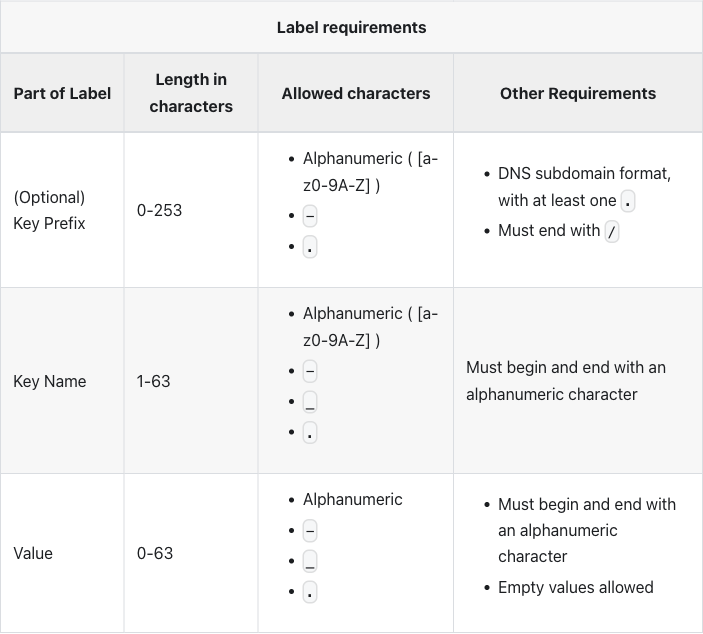
No tool attaches a class or an id to a Markdown pipe table natively. One HTML comment, written the same way in every tool, does it with a small extension:
<!-- table: .table-compact #label-requirements -->
**Label requirements**

| Part of Label | Length in characters | Allowed characters | Other Requirements |
| --- | --- | --- | --- |
.name adds a class (several allowed) and #name sets the id. The
comment sits in the block just above the table, or just above the
table’s title (a paragraph that is one bold run); a blank line in
between is optional. Only one title is skipped, and any other block in
between stops it. Class and id go on the <table>, never on the title.
On GitHub the comment is hidden and the table renders as before; an
attribute line such as {.table-compact} would show as an extra row
after the table or as text before it.
{...} next to a table
is a JavaScript expression and fails to parse. HTML comments are
accepted but dropped from the tree: Docusaurus parses them with a fork
of remark-comment
(processor.ts L86-L87, L152,
on by default:
configValidation.ts L130-L131),
which keeps a node only with an ast option Docusaurus does not pass
(index.js L35-L60).
The extension, a remark plugin of 44 lines, finds the title in the tree
and reads the comment from the page source, then sets the table’s
hProperties, which reach the <table>
(state.js L352-L382).{: } line after a table
becomes a row, since every line of the block is one
(tables.py L87-L107);
attribute lists reach cells, not the table
(attr_list.py L103-L154).
The extension (79 lines) reads the comment from the raw-HTML stash
after inline processing. A table given a class also gets table: the
theme styles and wraps only tables without a class
(_typeset.scss L486-L490),
and the site’s table.table rules give the look and the scroll box
back. Without it, classed tables lost both (the page widened); with it,
every wide-table check passes. The comment stays in the HTML output as
a comment.class and id
(transformer.ts L17-L19).[.table-compact#label-requirements]
(html5.rb L856-L878),
and the roles table already keeps its id.<div> around the pipe table can
carry the class and id in all three tools, but on the wrapper, and
spelled differently in each (className in MDX, a markdown
attribute in Zensical).With the extensions, the native roles table keeps
id="oss-roles-permissions" and the metadata Label requirements
table gets id="label-requirements" in Docusaurus, Zensical and
Starlight; nothing else on any page changes. Spot checks and wide-table
checks give the same results as before.
Checked on 2026-10-12 on the bpm-config tables,
whose published page breaks eight property names inside the identifier
(ephemeral_dis|k). 26 name cells (25 distinct), in Chrome 155,
Firefox 155 and WebKit 26.6 at 1280 and 390 pixels. Method and
measurements:
breaks-inside-identifiers-2026-10-12.txt.
| Tool | Names break? | Why |
|---|---|---|
| Docusaurus | no | Infima’s overflow-wrap: break-word (base.pcss L24-L27) breaks a word only when it cannot fit, so it never squeezes the column |
| Zensical | yes, in passthrough and native: the published page’s 8 at 1280 in Chrome, 13 at 390 | the theme’s word-break: break-word on code (_typeset.scss L220-L223), the same rule as the published page’s theme |
| Starlight | no | overflow-wrap: break-word on code (reset.css L54-L63) |
| Antora | not in ordinary cells; in AsciiDoc (a\|) cells, 12 at 1280 and all 26 at 390 |
tables reset the UI’s word-wrap: anywhere (base.css L100), but a\| cells set it again (doc.css L265-L266) |
| Sphinx probe | no | inline code is white-space: nowrap (basic.css.jinja L755-L761) |
wrap: avoid box makes
each name its own minimum width.string => string, which wraps at its
spaces in passthrough and native. No CSS rule can keep a value column
on one line without knowing which column it is.hints.css (decision 2026-10-12):
.md-typeset :is(td, th) code { word-break: normal; }.
Measured after building: no name breaks in any mode, browser or
width. Width is unchanged at 1280; at 390, B2 grows from 412 to
524 pixels in a table that already scrolls. overflow-wrap: normal
alone changes nothing..doc td.tableblock > .content { overflow-wrap: normal; }.
No name breaks in a| cells, whose columns now match plain native.
The repository’s own metadata page had 19 words split mid-word at
390 (Alph|anumeric); it now has none, and its tables widen inside
boxes that already scroll.wrap: avoid hint is a role on the table (colN-nowrap), and only
columns 1 to 3 had a rule. A selector cannot take the column number
from the role, so the rule now lists every column up to 18. Each role
was checked to hit only its own column. The widest surveyed table has
12 columns. On a test page, column 4 went from 3–4 lines to one in all
three browsers. Listing the columns is a stopgap: the other three
tools mark the cells in their build, and one rule covers any column.
Replaced the same day: Antora and Sphinx now mark the cells too (Hint
classes on native tables)./ (/var/vcap/|store/JOB) in prose
cells in every tool; Chrome and WebKit do not. A / is a line-break
opportunity there, which overflow-wrap does not govern. A path
class, to be marked in the source and styled, is the next step
(decision 2026-10-12).col2-nowrap where the tool can attach a class; how each tool turns
them into layout is the next step.Added on 2026-10-12 (decision: native tables may name hint classes). A
native table in Docusaurus, Zensical and Starlight takes the column hints
as Antora’s hint classes, in the table comment
(<!-- table: .col1-key .col1-nowrap .col2-nowrap -->) or, in Starlight,
the class shorthand. colN-key, colN-value and colN-prose give column
N its role, and colN-nowrap gives it wrap: avoid. Each class means
only what it names, so one class string reads the same in all four tools.
The code that reads the comment marks that column’s cells as the list
table does: a role class, wrap-avoid, and the wrap-avoid-box with its
16em cap. One rule in hints.css then serves any column. An unknown
colN- class stays a plain class.
Checked on case 15 of each tool’s pipe-attrs page, a pipe table with
B2’s env and additional_volumes rows. Every tool builds the same cells,
and in Chrome 155, Firefox 155 and WebKit 26.6 at 1280 and 390 pixels the
key and string => string stay on one line. Spot checks and wide-table
checks are unchanged for the pages the sites build.
The Sphinx probe marks its cells in the build too: a doctree-read hook
in conf.py gives each cell of a hinted column its role class and
wrap-avoid, and one rule replaces the list of 18 columns. It measures
the same as the list in all three browsers at both widths, on the
bpm-config tables and on a page with no-wrap on column 4. Antora does
the same with an Asciidoctor tree processor (hint-cells.js, decision
2026-10-12). Asciidoctor writes a cell’s class from its alignment only
(tableblock halign-… valign-…), so the marks are appended to the cell’s
valign attribute and reach the class through it; make check reports it
if they stop. Measured against the list on the bpm-config, a|-cell,
metadata, uaa-concepts and column-4 pages in all three browsers at both
widths: identical (66 page measurements). No site lists columns any more.
Checked on 2026-10-12 (decision: mark paths with a class, and keep them on one line). Method and measurements: paths-in-table-cells-2026-10-12.txt.
/var/vcap/... paths, Chrome
and WebKit kept every path on one line in every tool at 1280 and 390.
Firefox broke them after a /: on 2 lines at 1280 in four tools, and on
2–3 at 390. Sphinx never splits inline code.<code class="path">:
[.path]`/oauth/token``/oauth/token`{.path}<code className="path">/oauth/token</code>`/oauth/token`{.path}, with attrs_inline on{% path %}/oauth/token{% /path %}. This needs a five-line
tag in markdoc.config.mjs, because a Markdoc annotation lands on
the paragraph or the cell, not the code.hints.css:
code.path { white-space: nowrap; }. On uaa-concepts, which has three
endpoints marked in extension and native, every path stays on one line
in all three browsers at both widths, and no table width changes.
Without the rule, /identity-zones splits at its hyphen at 390, in
Chrome (Starlight, Antora), Firefox and WebKit (Antora). On the
bpm-config paths, Firefox at 390 grew B2 by 47–77 pixels inside boxes
that already scroll./ with a mark. A soft hyphen after each
/, with hyphenate-character: "↵", shows the mark in Chrome and
WebKit only. Firefox keeps its own breaks and shows no mark. Copying the
path also copies the soft hyphens: three in /var/vcap/store/JOB on
Chrome’s clipboard, so a pasted path is broken.